Showing posts with label electricity deregulation. Show all posts

February 9, 2020

米版「地域新電力」、相次ぎメガソーラーとPPA契約、稼働済み最大は200MW 「エネルギー地産地消」を掲げ、加州で拡大する「CCA」

Published at Nikkei Technology - Mega Solar Business

電力独占下でも法的に認可

 先月末、米国コミュニティ・チョイス・アグリゲーション(CCA)の調達する太陽光としては最大規模の発電所が稼働した。CCAとは、地方自治体の関与した電力小売事業者で、大手電力の独占下でも法的に電力事業が認められている。
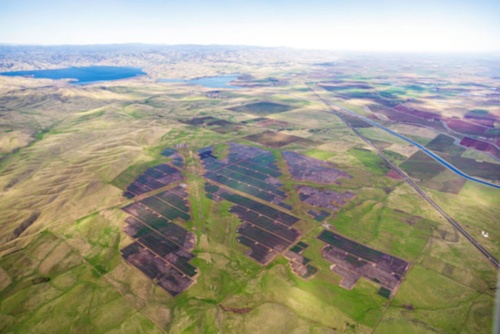
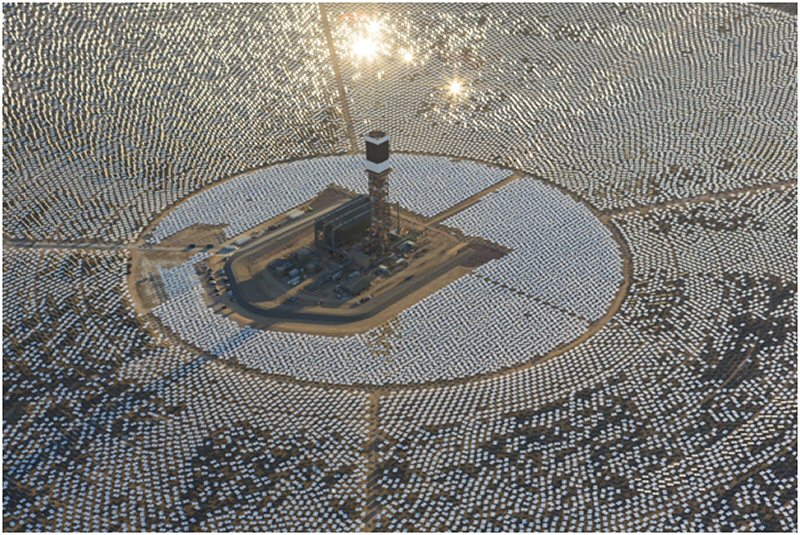
 出力200MWを超える「ライト・ソーラー」と呼ばれるこのメガソーラー(大規模太陽光発電所)プロジェクトは、カリフォルニア州北部のセントラル・バレーに建設された。サンマテオ郡のCCAであるペニンシュラ・クリーン・エネルギーを通してサンマテオ郡の需要家に電力が供給される(図1)。
図1●地域新電力によって導入された200MWを超える「ライト・ソーラー」プロジェクト
(出所:Peninsula Clean Energy)

「CCA」 は米国版・ 地域新電力

日本では電力小売りが全国レベルで全面自由化されたが、米国では電力自由化は各州の判断で、州別に実施される。 気候変動対策と環境保護に積極的で、太陽光発電導入量で全米をリードするカリフォルニア州は、電力小売りを全面自由化しておらず、3つの大手電力会社が電力の送配電と供給を地域独占している。
 しかし、同州は2002年に地方自治体が地域の需要家に電力が供給でき、地域の電力需要家は電力供給先を選択できる新たな法律を制定した。その法律は、コミュニティ・チョイス・アグリゲーション (CCA)と呼ばれる。
 CCAは日本の地域新電力に似ていて、まず、市や郡などの地方自治体がCCAを設立し、発電設備を有する事業者と自ら電力の購入契約を結び、電力小売り事業を運営する。...Read More Here

May 9, 2019

アップルとサプライヤー、稼働と開発中で「再エネ5GW」 自社で「クリエイト」する再エネでさらなる前進

Published at Nikkei Technology ---

1年前に「再エネ100%」達成

 事業活動で使用する電力を100%再生可能エネルギーに転換することを目指す「RE100」。ここ数年、この国際イニシアチブに加盟する企業が世界中で増加している。
 とはいえ、「RE100」に加盟する企業の多くは、再エネ調達の目標設定から日が浅く、本格的な取り組みはこれから、というケースも目立つ。そんななか、米アップルは「再エネ100%」目標をすでに1年前に達成している。しかも、そのスコープ(適用範囲)は、米国内のみならず、世界43カ国にある同社のオフィス、直営店、データセンターなどグローバルな事業所全体に必要な電力を再エネで調達すると掲げている。
 加えて、同社製品の製造過程などサプライチェーンから大量のCO2が排出されることから、部品メーカーなどサプライヤーの消費する電力量を削減し、再エネに転換することに対しても積極的に支援している。
 同社の最新版環境レポートによると、2019年4月時点で、アップルと同社のサプライヤーは、合計 1.9GWのクリーンエネルギーに投資し、電力を調達したという。発電量は41億kWhに達する。さらに3.3GWの再エネ発電所を開発中で、完成後に電力を調達することになっている。 これらプロジェクトの内訳は、風力発電が67%、太陽光発電が23%となっており、稼働中と開発中のプロジェクトを合わせると5GWを超えることになる(図1)。
図1●アップルと同社サプライヤーによる再エネ調達量(GW)(深緑色:稼働中、淡緑色:計画済み)
(出所:Apple)
[画像のクリックで拡大表示]

再エネを「クリエイト」

 アップルの「RE100」への取り組みは、再エネ調達量の規模や、サプライヤーまで「再エネ100%」に関与するなど、他の加盟企業と比べてスケールが大きい。加えて、最も違う点は、再エネプロジェクトを、可能な限り自社で「クリエイト(創出)」することである。
 同社は、再エネプロジェクトを戦略的に「クリエイト」している。現在、同社が調達する再エネの66%は、同社が創出したものという。実際、600MWを超える再エネプロジェクトを所有しており、電力事業者を除けば最大規模の再エネ投資家になるという。
 実際、再エネプロジェクトはどのように「クリエイト」されるのだろうか?
 同社は3つの方法を上げている。それは、(1)自社でプロジェクトを開発して建設、そして所有する「直接所有」型(図2)、(2)他社の開発した案件に投資し、プロジェクトの一部を所有する「投資参加」型、そして(3)地域に新規に建設される再エネプロジェクトからの電力を購入する「長期電力購入契約」型――である。
図2●アップルが開発・所有している自社事業所に導入された太陽光発電システム
(出所:Apple)
[画像のクリックで拡大表示]

ウォルマートは「クリエイト」せず

 日本では全国一斉に電力小売りの全面自由化が進められたが、米国では州によって異なる。電力小売市場が複雑な米国では、電力会社、または独立電力事業者などから再エネを購入するのが、一般の企業にとって手っ取り早い。 ただ、再エネ導入に消極的な地域独占電力会社が幅を利かせる電力小売り規制下の州では、需要家が再エネを調達する方法は限られている。...Read More Here

May 28, 2018

米ラスベガスの巨大ホテル、メガソーラーで電力需要の3割を賄う! 屋根置き太陽光を自家発電、電力会社から離脱、そして「100MW」・・・

Published at Nikkei Technology ---

ネバダ州最大の電力需要家

 広大なテーマパーク、米ネバダ州のラスベガス。大きな人造湖での噴水ショーが有名な「ベラージオ」、古代エジプト・ピラミッドの形の「ルクソール」、滝のある南国リゾートのような「ミラージュ」、本当のニューヨークのような「ニューヨーク・ニューヨーク」――。これらのホテル・カジノは、社名と同名のホテル・カジノで知られているMGMリゾートが運営する。
 実際、MGMリゾートはラスベガスに計13のホテル・カジノを持っている。それゆえに同社は、ラスベガスのみならず、ネバダ州最大の電力需要家となっている。
 そこで同社は、これらのホテル・カジノの電力供給をグリーンエネルギーで賄うため、ラスベガス付近に建設される出力100MWのメガソーラー(大規模太陽光発電所)から電力を購入すると、今年4月に発表した(図1)。
図1●MGMリゾートがラスベガスで運営するホテル・カジノの一つ「ニューヨーク・ニューヨーク」
(出所:MGM Resorts International)

 MGMリゾートは、10年前以上に「コーポレート・サステイナビリティ事業部」を設けて、2014年には、同社運営のマンダレイベイ・ホテル&カジノのコンベンションセンター屋上にパネル容量6.4MWのメガソーラーを設置した。当時このサイズは世界で最大規模の屋根置き(ルーフトップ)システムと注目を集めた。さらに約2MWを付け加え、合計出力8.3MWとなり、マンダレイベイ・ホテル&カジノの電力需要の25%を供給している。... Read More Here

February 1, 2017

リーディング企業の「再エネ100%」で拡大する米太陽光市場: グーグル、フェイスブックの再エネ需要に電力会社はどう応えるか?

Published at Nikkei Technology Online --- 再エネで電力コストを安定化

 グーグル、マイクロソフト、ウォルマートなど米国を代表するリーディングカンパニーは、再生可能エネルギーで電力需要を賄う目標を掲げ、その達成に向け導入量を拡大している。このトレンドは他の米企業にも急速に広がっている。

 こうした企業の動きは、単に温暖化問題への対応だけではない。例えば、グーグルが再エネ導入に熱心なのは、同社のサスティナブル(Sustainability)目標を達成することに加え、再エネ電力の長期購入契約により電力コストを安定化し、化石燃料の高騰による経営への影響を回避するためでもある。
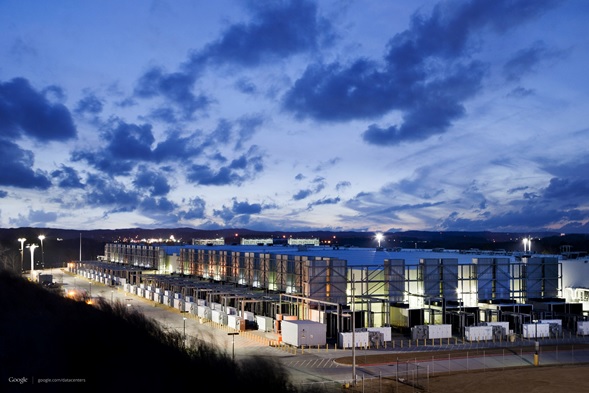
Google Data Center, Credit: Google


 米ビジネス協会Advanced Energy Economy (AEE) によると、フォーチュン100企業(米フォーチュン誌が年1回編集・発行する、総収入に基づいた全米上位100社のランキング)中71社、フォーチュン500企業中215社がサスティナブル、または再エネ導入目標を掲げている。

 さらに、500企業中、なんと22社は電力需要を「100%再エネで賄う」という挑戦的な目標を掲げている。ウォルマート、アップル、アマゾン、マイクロソフト、GM(ゼネラル・モーターズ)、ナイキ、スターバックスなど、幅広い業種で「再エネ100%」目標を公約する企業が増えている。

設置場所はオンサイトからオフサイトへ

 米企業が再エネに投資することで、再エネ電源が開発される州には、新たな雇用と税収をもたらす。それは、州の電源資源を分散化させ、化石燃料への依存を減らすことにもなる。しかし、一方でこのような再エネ大量導入を受け入れ、対応できるメカニズム(政策・規制)が整っていない州もある。

 逆に言うと、企業がどのような手法で再エネを導入するか、または、どの州で展開するかは、州の政策・規制で大きく変わることになる。

 ウォルマートのように、店舗、倉庫、流通センターなどの比較的規模の大きな施設を全国に持つ企業は、電力需要のある事業所・工場の屋根上、または敷地内(オンサイト)に自産自消用に太陽光発電を導入することが多い。企業がシステムを所有している場合もあるが、再エネプロジェクトのデベロッパーなど第3者が開発・所有し、 企業が電力購入契約のもとで発電電力を買い取るスキームもある。...Read More here

July 19, 2016

アメリカで電力小売り自由化が人気!

Published at Solar Journal:
日本では今年4月に電力小売り全面自由化が始まったが、米国では1990年代に自由化が始まっている。開始して20年程が経つ米国では、どのようなサービスが登場し、消費者はいかに電力会社を選択しているのか。米国の現在の様子から、日本の市場の行方を見る。

州レベルで電力自由化が実施される米国

現在50州中14州およびワシントンDCで電力小売の全面自由化を実施中である。電力の規制が国レベルではなく州レベルで可決される米国では、自由化をしている州もあれば、しない州、さらにカリフォルニア州のように自由化を試みたが失敗し、自由化が「保留」になっている州も存在する。
小売り自由化されている市場で最も規模が大きいのはテキサス州で、次いでオハイオ州、ニューヨーク州、ペンシルベニア州など東海岸の州がトップを占める。

太陽光100%の電力プランで地域貢献

テキサス州オースティン市に拠点を持つGreen Mountain Energy 社は、1977年より再生可能エネルギーの小売販売を始めた。
同社は現在自由化を実施しているテキサス、ペンシルベニア、ニューヨークを含む7州で電力小売り販売を行っている。
同社が提供する電力プランの中で最も人気を博しているのが、太陽光発電で作った電気だけを買うことができる、「SolarSPARC(ソーラースパーク)」というプランだ。契約者が家庭の電力消費を太陽光発電の電力で1%賄えるだけではなく、地域への太陽光発電設置の導入も促進する。
Green Mountain Energy 社はSolarSPARC の契約数ごとに、毎月4米ドルを寄付して積み立てており、その寄付金で6ヶ月ごとに、新しい太陽光発電施設を地域に設置する計画になっている。
つまり、契約者が多ければ、より多くの、またはより大きな太陽光発電施設を設置できるというわけだ。...Read More Here

May 30, 2016

米大手電力、世界最大のデータセンター向けに「100%再エネ」プラン 環境目標を掲げる大規模需要家の“離脱”を阻止

Published at Nikkei Technology Online --- ネバダ州と言えば、広大な自然からなるグランドキャニオンとカジノの「眠らない街」ラスベガスの2つの観光スポットで有名である。そんなネバタ州をサービス管轄にする大手電力会社NV Energy社が、「100%再生可能エネルギー」電力プランの提供を開始した。背景には、地球温暖化対策と持続可能な社会の構築を目標に掲げる大規模電力需要家に対し、二酸化炭素の削減目標をサポートする狙いがある。


 家具世界大手のイケアを始め、ナイキ、グーグル、ジョンソン・エンド・ジョンソン、スターバックス、ウォルマートなど、世界的なリーディングカンパニーは地球温暖化対策の1つとし、全ての事業所で使用する電力を100%再生可能エネルギーで賄うことを目標と掲げている。これらの企業は目標を達成するために、屋根置き太陽光発電などの分散型発電をオフィス、または工場などに設置したり、メガソーラー(大規模太陽光発電所)のディベロッパーと長期電力購入契約を結んだりするケースがある。
 米国ネバダ州ラスベガスに拠点を持つSwitch社も例外ではない。同社はSUPERNAPと呼ばれるデータセンターの開発・運営とコロケーションなどのサービスも提供している。膨大な電力を使用し、1000以上のクライアントのミッションクリティカルなビジネスをサポートする。
ネバタ州レノに計画中のSwitch社のSUPERNAPデータセンター(出所:Switch社)

データセンターの電気を再エネ100%に
 同社は現在、ラスベガスで9つのデータセンターキャンパスを運営しており、総面積151万926平方フィートになる。さらに3つのデータセンターを建設している(総面積119万8348平方フィート)。また、ネバタ州北部に位置するレノではデータセンターキャンパスを建設中(総面積120万947平方フィート)で、さらに6つのデータセンターキャンパス(総面積528万6294平方フィート)の建設を予定している。
 レノのデータセンターが完成すると、世界最大のデータセンターになる(図2)。ちなみに、出品・販売・輸出できるオンラインマーケットプレイスを提供する米EBay社はレノのデータセンターの新顧客である。..Read More Here

March 15, 2016

米加州の大手電力会社が「地域太陽光100%」プランを開始 メガソーラーから272MW分を調達、4万軒に供給へ

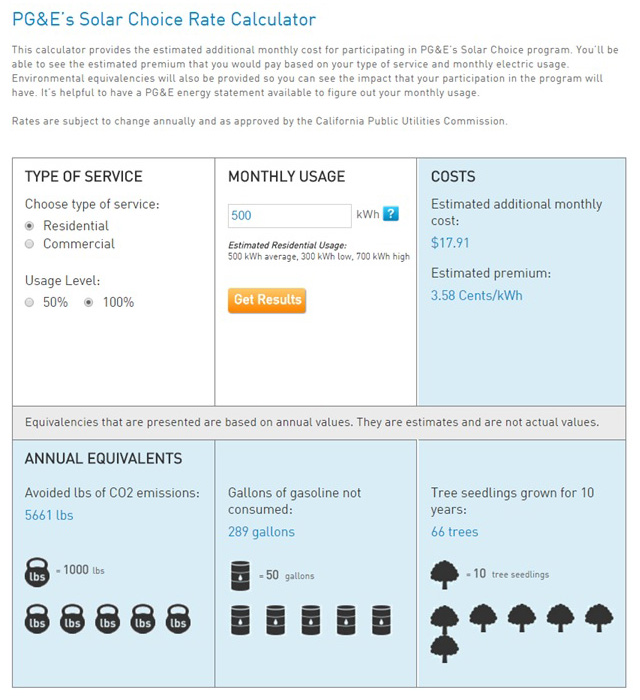
Published at Nikkei Technology Online ---  米国では電力自由化は国一斉ではなく、州レベルで実施される。カリフォルニア州は電力小売自由化を試みたものも頓挫し、同州の電力需要は主に3つの地域大手電力会社で独占されている。カリフォルニア州北部地域をサービス管轄とする大手電力会社の1つであるPacific Gas & Electric(PG&E)は、今年度の初めに、「Solar Choice(ソーラーチョイス)プログラム」と呼ばれる電気料金プランを開始した。同プランでは、購入する電気の100%が、地元の太陽光発電で発電した電力となる。
"Solar Choice Program" by PG&E
PG&Eは米国内で最大規模のエネルギー供給会社で、電力と天然ガスの両方を提供する。電力で540万軒、ガスで430万軒の契約数を持っている。サービスエリアは、カリフォルニア州の北部と中部地域となる。

 同社は太陽光発電の導入に積極的で、米国の多くの電力会社が加盟しているSEPA(Solar Electric Power Association:米国太陽発電電力協会)のデータによると、2014年の太陽光発電の年間導入量、累計導入量、年間系統連系接続数、累計系統連系接続数などで、米国でトップである(図1)。ちなみに、2014年までに同社の太陽光発電設備の累積導入量は4.6GWを超える。さらに、現時点で21万5000軒以上の分散型太陽光発電システムが同社のサービスエリア内に系統連係されている。Read More Here

March 11, 2016

Japan at the Electricity Crossroads: Nuclear Power to Lower Electricity Bills or Solar Power to Create Resiliency?

Published at Renewable Energy World --- March 11, 2016 marks the five-year anniversary of the 2011 Tohoku earthquake and tsunami, which caused catastrophic meltdowns at three reactors in the Fukushima Daiichi Nuclear Power Plant complex in Fukushima Prefecture. This devastating event resulted in a major change to the nation’s electricity supply market. It led to the introduction of the national feed-in tariff (FIT) program in July 2012 and historical liberalization of the retail electricity market, which will commence in April.

PV plus Storage Installed at a School, Credit: Minamisyna City

In regards to the upcoming deregulated electricity market, 210 companies have currently registered as retail electricity providers to compete against the 10 incumbent utilities, which had enjoyed the regional monopolies for several decades.

As fierce competition is anticipated, the incumbent utilities have restarted or plan to restart nuclear reactors to be cost-competitive. In fact, last year Kyushu Power Electric Company, located in the Kyushu region, restarted two nuclear reactors in Kagoshima Prefecture and, last month, Kansai Electric Power Corporation, the nation’s second largest electric provider, has restarted two reactors at Takahama Nuclear Plant in Fukui Prefecture to provide “lower rates” than those offered by new competitors.

Turning Nuclear Contaminated Town into Denuclearized Town with Renewable Energy

“I am very furious,” commented Katsunobu Sakurai, the mayor of Minamisoma City, at a press conference for the Foreign Correspondents’ Club of Japan. He is angry and frustrated that the utilities have restarted nuclear reactors since Minamisoma City, located less than 20 kilometers (12.4 miles) northwest of the Fukushima Daiichi Nuclear Power Plant, has not yet fully recovered. The city was heavily affected by the disasters which displaced 14,000 residents after the accident. It has been five years since the nuclear meltdown, however, residents of certain areas of the city have not been allowed to return since the national government has not yet lifted evacuation orders....Read More Here

January 26, 2016

米テキサス州の電力会社が「地元の太陽光100%プラン」 地元のメガソーラーから「環境価値」を購入

Published at Nikkei Technology Online ---   日本では4月から電力小売りが全面自由化され、一般家庭の電気利用者が初めて電力を「選択」できるようになる。米国では電力自由化は国レベルではなく、州レベルで決められ実行される。米国の中で最も電力自由化が進むといわれるテキサス州で、地域の太陽光発電を100%使った地産地消を促進する電力料金プランが、初めてお見えした。

 テキサス州は電力の消費量が全米で最も多く、約378TWhに達する。この需要規模は、英国やスペインに匹敵する。同州はその消費量を賄うため発電量も多く、石油・ガス火力、さらに風力発電でも全米ナンバーワンを誇る。

 こうした巨大な電力市場を持つテキサス州では、2002年に電力自由化が実施に移された。同州の自由化は、日本でこれから行われる自由化と似ている。従来、発電と送配電設備を所有していた大手電力会社を分割し、発電会社と送配電会社に分離した。電力小売りの自由化が進むなか、送配電事業は引き続き規制の下に置かれている。

 現在、テキサス州では115社にも達する小売電気事業(REPと呼ばれる)が家庭、商業、産業向けに電力を販売している。これらの小売電気事業者は、送配電設備を所有する電力会社(全5社)の送配電ネットワークを利用して電力を供給する。...Read More Here

November 11, 2015

Japan’s Local Energy Providers Turn to Distributed Generation

Published at Renewable Energy World --- Let the games begin! By fully deregulating its electricity sector by next April, Japan plans to break up the 60-years of regional monopolies controlled by 10 vertically-integrated, investor-owned utilities (IOUs). Just at the end of October, 778 companies registered as power producers and suppliers (PPS) in order to sell electricity for commercial consumers who have a demand over 50 kW. In addition, 48 companies have registered and been approved as retail electricity providers to sell electricity to residential and small business customers.

The Great East Japan Earthquake and Tsunami Disaster of March 2011 marked a pivotal turning point in the conception of the nation’s electricity infrastructure. Specifically, safety and reliable supply. Due to the temporary shut-down of the country’s nuclear power reactors, some areas of Japan experienced rolling blackouts as well as large electricity rate hikes due to the resulting supply constraint.

The deregulation in process is expected to stimulate competition as well as lower the cost of electricity. According to a national survey taken by Mizuho Information & Research Institute, Inc., 83 percent of respondents said that they would switch providers if prices decrease.

Regarding energy mixes, 36 percent of respondents said that they would switch to renewable electricity providers as long as prices remain similar to what they are now, while and 5 percent said that they would use renewable energy only if prices decreased. Separately, 32 percent of respondents said that they do not want to use electricity generated by nuclear power plants.

Solar PV Installed on a Distribution Warehouse, Credit: Seikatsu Club Energy


Return of Nuclear Power for Deregulation?

Although the nation is still working to clean up after the 2011 Fukushima No. 1 nuclear power incident, the Federal of Electric Power Companies of Japan (FEPC) claims that nuclear power is important for the nation’s energy independency and energy affordability. In fact, the incumbent utilities have gradually restarted some of the nuclear power plants, which were taken offline after the Fukushima disaster....Read More Here

November 4, 2015

再エネ電力を電力会社より安く販売できる「CCA制度」(後半) 地産地消を促すFITも取り入れる

Published at Nikkei Technology Online ---  米国では、地方自治体などが住民、ビジネス、さらに公共施設用の電力需要をまとめて購入できるコミュニティ・チョイス・アグリゲーション(Community Choice Aggregation:CCA)と呼ばれる法律がある。この法律により、地方自治体は自ら発電事業者から電力を調達し、地域独占電力会社の送配電網を使い、よりエコで手ごろな電気料金「チョイス」を直接、コミュニティーに提供できるようになった。

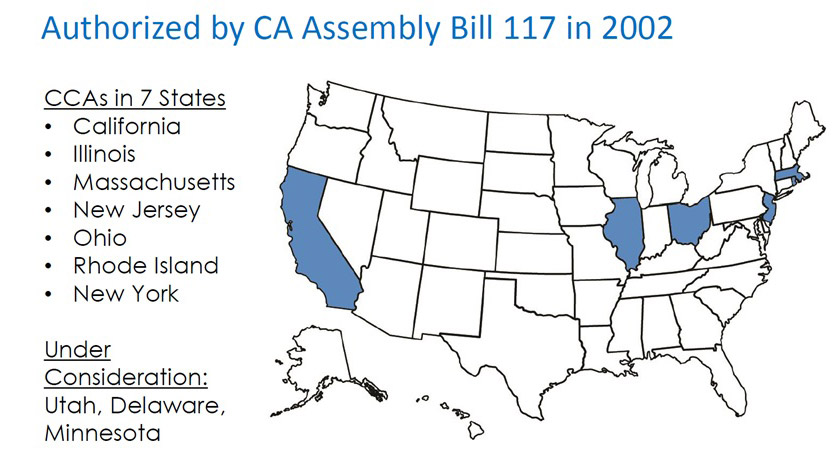
 2002年のカリフォルニア州での導入を皮切りに、現在全米7州でCCAが実地されている(図1)。1300の地方自治体が、米国電力消費者の約5%に当たる顧客にCCAプログラムを通じて電力を供給している。

Credit: Lean Energy U.S.

 カリフォルニア州では現在、3つの自治体がCCAプログラムを運営している。同州北部に位置するマリーン郡は、最初にCCA制度を導入した地方自治体である。CCAプログラムはマリーンクリーンエネルギー(Marin Clean Energy:MCE)というNPO法人が運営しており、現在約17万5000軒の顧客をかかえる。地域の電力需要者は従来の大手電力会社から乗り換えることにより、今年は1060万ドル(約12.6億円)の電気料金削減と、6万t以上の温室効果ガス削減が見込まれている。.. Read More Here

September 8, 2015

Japan Electricity Deregulation: Birth of Municipally Owned Electric Utilities

Published at Renewable Energy World --- The upcoming retail electricity deregulation in Japan next April will create a way for Japanese municipal governments to produce and supply locally generated renewable electricity. The Fukushima nuclear disaster in 2011 was a harsh wake-up call that quickly became a strong source of motivation for many local governments to take energy matters into their own hands in order to provide safe and clean electricity to their own citizens.

Nakanojo, a town in Gunma prefecture, established the nation’s first locally owned utility with the motto of “Locally Produced, Locally Consumed Renewable Energy.” The town is geotropically located in the middle of Japan and is famous for flowers and hot springs surrounded by deep-green mountains.

“When a former mayor of Nakanojo visited the tsunami disaster areas in northeastern Japan, he decided to make his town nuclear-power-free, and upon his return, he created a new department to develop renewable energy plants,” Masao Yamamoto, Naknojo renewable energy department, said. Yamamoto was transferred from the wastewater division to head the newly created department.

Back then, everyone in the town had little choice but to purchase electricity from Tokyo Electric Power Co. (TEPCO), which is the nation’s largest investor-owned electric utility (IOU) and is an owner of the Fukushima Daiichi Nuclear Power Station and 16 other nuclear reactors.

2-MW PV System operated by Nakanojo town, Credit: Nakanojo town

By utilizing the nation’s feed-in tariff (FIT) program, which was launched in July 2012, the town funded and developed two 2-MW solar photovoltaic (PV) systems with the FIT rate of ¥40/kWh per 20 years. The town also leased town-owned land to a private company in order to build a 1 MW PV project. By the end of 2013, a town with a population of only 18,000 had 3 large-scaled PV plants, producing 7,000 MWh of electricity annually.... Read More Here

April 22, 2015

California’s First Zero Net Energy Community Opens on Earth Day to Support Bold State Goals

Published at Renewable Energy World --- Say hello to your dream home and goodbye to rising electric bills. Meritage Homes, headquarted in Scottsdale Arizona, will reveal California’s first and only Net Zero Community on this year’s Earth Day, April 22. The homebuilder has partnered with leading energy companies to develop a community called Sierra Crest with 20 zero net energy (ZNE) homes in North Fontana area.

Zero Net Energy Homes at Fontana, California. Credit: Meritage Homes.
Currently the energy used in homes and buildings is the second largest contributor to California’s greenhouse gas (GHG) emissions. ZNE homes and buildings can help reduce the state’s energy demand and environmental impacts associated with homes and buildings, providing more resilience to climate impacts.

“There are several ZNE homes throughout California, but none clustered at one community,” commented CR Herro, Vice President of Environmental Affairs at Meritage Homes. “This community not only allows the value of operation cost reduction to the homeowners, but provides much needed data to the utilities about kW production and demand at each home, and cumulatively at the transformer level to provide needed data to design service for community level Zero Energy as California building code progresses toward this standard.”

Meritage Homes along with BIRAenergy, Itron and Southern California Edison (SCE) will work with the Electric Power Research Institute (EPRI) and California Public Utilities Commission (CPUC) to evaluate the energy use and grid integration of this new community and investigate economic feasibility to support California’s “big bold goal.”

In 2008, California set bold energy-use reduction goals — all new residential construction will be zero net energy by 2020 and commercial buildings by 2030. New homes and buildings will achieve ZNE first through high levels of energy efficiency, and then through the addition of clean, on-site renewable power generation, typically solar PV to meet 100 percent of their annual energy need.... Read More Here

March 19, 2015

Post-FIT Japan: Manufacturers Promote PV Systems with Inverter-Integrated Energy Storage Systems

Published at Renewable Energy World --- The Japanese government has announced the new feed-in tariff (FIT) rate for the fiscal year 2015, effective April 1st. The new FIT rate for residential solar photovoltaic (PV) systems will be ¥33/kWh, down from ¥37/kWh the previous fiscal year.

January 21, 2015

再エネ比率「2030年50%」を宣言、カリフォルニア州知事 - 州ごとにエネルギー計画を策定

Published at Nikkei Technology ---  カリフォルニア州の知事であるJerry Brown氏は、2015年1月の就任式で「2030年までに再生可能エネルギー電力の比率を50%に高める」と意欲的な目標を発表した。

 カリフォルニア州はこれまでに、太陽光発電や太陽熱発電、地熱発電の導入で全米をリードしてきた。Brown州知事は、全米だけでなく世界においても、再生可能エネルギーの導入でリードしようというのである。再生可能エネルギーの導入を積極的に進めることで、温暖化ガスの排出量の削減だけでなく、産業の育成や、環境・健康被害を防ぐといった利点を得られる。

「50%」は実現可能な数値

 カリフォルニア州において、電力販売量の半分を再生可能エネルギーで供給することは、実現不可能な目標ではないとみられている。すでにカリフォルニア州は、「再生可能エネルギー・ポートフォリオ基準(RPS:renewable portfolio standard)」によって、2020年までに州内の電力販売量の33%を再生可能エネルギーで賄う目標に向かって進んでいるからだ。...Read More Here


October 1, 2014

相次ぐスマートメーターの設置拒否、既存メーターの継続利用に特別料金を徴収へ

Published at Nikkei Business ---  日本では電力自由化に向けて、スマートメーターの設置が本格化していると聞く。ところが米国では、至る所でスマートメーターの導入に「待った」がかかっている。サービス向上とコスト削減に貢献すると言われるスマートメーター。なぜ導入を拒否する事例が後を絶たないのか。

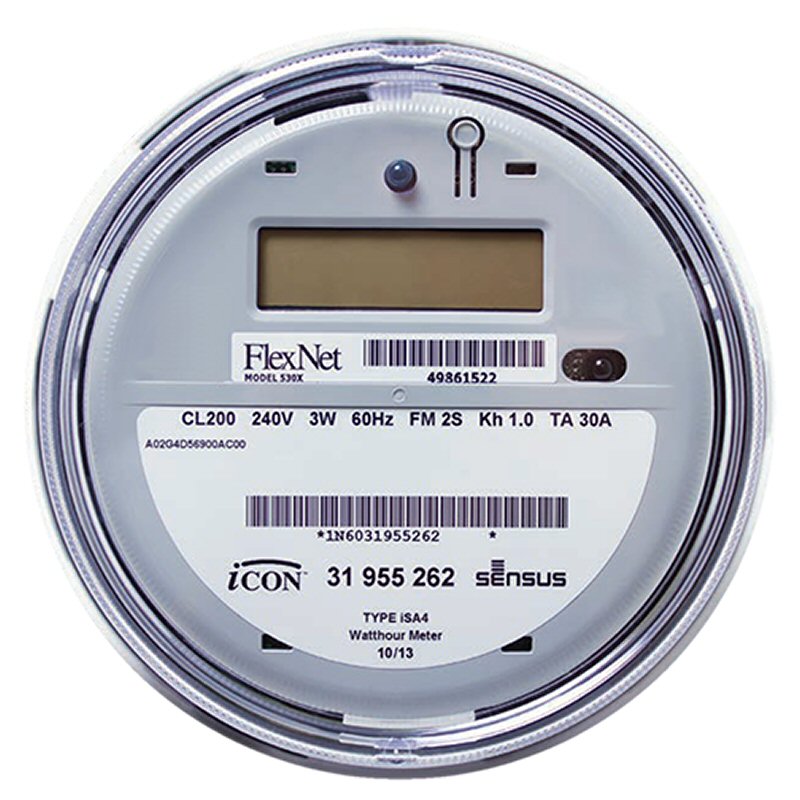
 スマートメーターは、双方向通信機能を備えた電力消費量を測定するシステムである。従来のアナログメーターとの大きな違いは、測定した電力消費量をリアルタイムで無線送信できることや、電力会社がリモートでサービスの接続・切断などができること、さらに電力供給量を制御できることなどである。

 ワシントンDCに拠点を置くIEE (Innovation Electricity Efficiency)研究所が、2013年8月に発表したレポートによると、2013年7月時点で4600万台以上のスマートメーターが、全米に設置済みという。これは全米の電力契約数の約32%に当たる。

 米国連邦政府は「米国再生・再投資法(America Recovery and Reinvestment Act)」に基づき、「スマートグリッド投資補助金(Smart Grid Investment Grant:SGIG)」を創設して、スマートメーターに対する開発支援を積極的に行っている。Read More Here

September 19, 2014

独立系発電会社NRG Energy社の戦略、大規模から分散型、携帯型まで幅広くカバー

Published at Nikkei Business --- 米国で第3位の再生可能エネルギー発電事業者である米NRG Energy社は、世界最大規模の太陽熱発電所と太陽光発電所の両方を所有している。その一方で2014年8月には、携帯型太陽電池を開発する企業を買収して周囲を驚かせた。


NRG Energy社は買収を繰り返し、現在では再生可能エネルギー発電所の運営から住宅用・非住宅用太陽光発電システムの設置・リースサービス、電力小売り販売事業(グリーン電力小売りも含む)、電気自動車(EV)用充電スタンドの運営、そしてポータブルソーラー充電器販売と、電力発電市場の川下を全てカバーしている。今回は、このNRG Energy社について紹介する。Read More Here

September 7, 2014

電力自由化が進むテキサス州、「100%太陽光プラン」が高値でも人気

Published at Nikkei Business ---  日本では、2016年をめどに電力小売りが全面自由化されることが決まった。既存の電力会社が独占してきた家庭向け市場を狙って、多様な業種が新規参入しようとしている。消費者が価格やサービスを比較して、自分に合った電力会社や料金プランを選択することができるようになる。

 そのとき、太陽光発電を含む再生可能エネルギーは、どのような役割を果たすのだろうか。今回は、既に2002年に電力小売りの自由化を実施済みの米国テキサス州から、「太陽光発電で作った電気だけを買う」という電力プランを紹介しよう。

10 kW system installed by Green Mountain Energy for SolarSPARC subscribers


 まず、米国の電力自由化の状況について説明する。米国では1990年代から電力の自由化が始まり、現時点で全米50州のうち15州とワシントンDCで、小売りの全面自由化を実施中である。つまり日本では電力自由化が国単位で決まるのに対して、米国では州ごとに実施されているのだ。自由化をしている州もあれば、しない州、さらにカリフォルニア州のように自由化を試みたが失敗し、自由化は「保留」になっている州が存在する。

 このうちテキサス州は、電力小売り自由化が1999年に決まり、2002年に実施に移された。テキサス州は電力消費量が全米で最も多い州として知られている。その電力消費量は、英国やスペインに匹敵する。

 米国エネルギー省のエネルギー情報課(US Energy Information Administration)によると、テキサス州の家庭用電気料金の平均単価は11.46米セント/kWhで、米国平均の12.12米セント/kWhを下回っている。ちなみに最も電気料金が高額なのは、ハワイ州の37.82米セント/kWhで、米国平均の3倍になる。Read More Here

September 3, 2014

Japanese PV Market Got the Biggest Drop in Second Quarter

According to the latest number released by Japan Photovoltaic Energy Association (JPEA), the Japanese PV market in the first quarter of this year went down by 32 percent from the previous quarter.  This is perhaps the biggest dip in the history in Japan PV market.


The market size during the quarter between April and June 2014 was 1.88 gigawatt (GW).

Many industry participants speculate that the market decline was due to the sales tax increase (effective of April 2014) and there was the great number of rush installations to avoid the sales tax increase during the quarter between January and March 2014.

In terms of end-user applications, the residential segment declined by 26% from the previous quarter and the non-residential segment went down by 34%


August 20, 2014

Open Season: Japanese Government Seeks to Deregulate Utility Market, Boost Renewables

Published at Renewable Energy World --- San Diego, Calif. — While most U.S. customers are only able to get green electricity by either purchasing and installing their own system or acquiring a lease or power purchase agreement through a third-party company like SolarCity, Japanese customers will soon have another option. Homeowners and businesses unable to install their own systems will be able to purchase green electricity from existing installations, and those solar electricity providers will be able to receive similar benefits as utilities.

Currently, Japan’s electricity market is partially open to private providers, which includes customers with 50 kW of capacity or greater, but over 96 percent of the market is still dominated by ten vertically-integrated, investor-owned utilities. By 2016, the Japanese government is planning to open up the remaining retail electricity market, which includes customers 50 kW of capacity or less (residential and small business) to fully break up the long-standing monopoly.

As of the end of July, over 300 companies have registered to sell electricity as a Power Producer Supplier (PPS) in the future deregulated retail market, which has an estimated value of 7.5 trillion yen (US $73.1 billion). See More Here