Showing posts with label munipally owned utilities. Show all posts

October 26, 2020

地域新電力8社、共同で500MWのエネルギー貯蔵を設置へ 「長周期」需給変動に対応、再エネ大量導入とレジリエンス強化

 Published at Nikkei Technology


「長周期」対応の重要性が増す

 米国では今年8月に起こった大規模な山火事、猛暑などで大停電が起こり、カリフォルニア州の電力システム(グリッド=電力系統)の信頼性とレジリエンスがまた大きく見直しされている。太陽光発電を含む再生可能エネルギーの導入量では他州を引き離してダントツのカリフォルニア州だが、再エネを効率良くグリッドに統合しつつ、信頼性を高め、災害などに対するレジリエンスを強化するには、電力を長期間、放電できる「長周期」エネルギー貯蔵調達が必要になってくる。

 カリフォルニア州では、大手電力会社だけではなく、地方自治体による地域新電力も長周期エネルギー貯蔵の調達へ乗り出した。

 今月(10月)カリフォルニア州の8つの米国コミュニティ・チョイス・アグリゲーション(CCA)が共同で出力500MWもの長周期エネルギー貯蔵の提案依頼書(RFP)の公募を出した(図1)。

図1●8つのCCA共同での長周期エネルギー貯蔵のRFP(出所:Silicon Valley Clean Energy)


ちなみに、CCAは日本の地域新電力に似ていて、市や郡などの地方自治体が設立し、自ら発電所を開発、または発電事業者から電力調達し、 既存の大手電力会社が所有する送配電網を利用し需要家に電力を供給する 電気小売り事業を展開している。カリフォルニア州では、電力小売りが全面自由化しておらず、3つの大手電力会社が電力の送配電と供給を地域独占しているが、2002年に成立し法律で、地方自治体がCCAを設立することにより、地域の需要家に電力供給先の選べるようになった。特にCCAは、既存の大手電力会社との差別化として、再エネの比率がより高いプランを提供し、その再エネも「地産地消」型で調達している。...Read More Here

October 21, 2015

再エネ電力を電力会社より安く販売できる「CCA制度」(前半) 地方自治体が太陽光や風力をまとめ買いして消費者に提供

Published at Nikkei Technology ---  米カリフォルニア州では、2000~2001年に発生した電力危機が原因で小売全面自由化が保留になってしまった。民間電力会社の地域独占が継続され、家庭用電力消費者は電力購入の「チョイス(選択)」の機会を失った。

 にもかかわらず、同州北部マリーン郡とその周辺の消費者は、電力の購入先を大手電力会社から地方自治体に乗り換え、環境に優しい再生可能エネルギーを選ぶことができる。乗り換えにより、今年は1060万ドル(約12.6億円)の電気料金と、6万t以上の温室効果ガス削減が見込まれている。

 こうした「乗り換え」を可能にしているのが、コミュニティー・チョイス・アグリゲーション(Community Choice Aggregation: CCA)と呼ばれる法律だ。同法は、地方自治体などが住民、ビジネス、さらに公共施設用の電力需要をまとめて購入できることを規定したもので、2002年に成立した。この法律により、地方自治体は、自ら電力を発電、または発電事業者から電力を調達し、コミュニティーに「チョイス」を提供できるようになった。

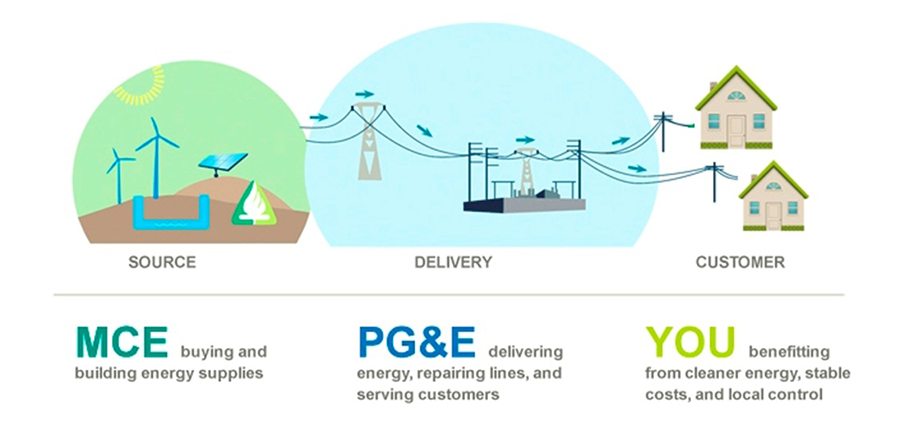
How CCA Works; Credit: MCE


顧客は17万5000軒を超える

 カリフォルニア州北部に位置するマリーン郡は、州で最初にCCA制度を導入した地方自治体である。マリーン・クリーン・エネルギー(Marin Clean Energy:MCE)というNPO法人が2008年に設立され、2010年からコミュニティーの電力需要をまとめ、電力を調達し始めた。

 「マリーン郡では、地球温暖化防止対策として建物部門からのCO2排出削減に取り組んでいます。電力消費によるCO2 排出量の抑制策として、再生可能エネルギーの導入を拡大できるCCAに着目しました」と、MCEでCEO(最高経営責任者)を務めるDawn Weisz氏は同機関の創設までの経緯について語った。...Read More Here

September 8, 2015

Japan Electricity Deregulation: Birth of Municipally Owned Electric Utilities

Published at Renewable Energy World --- The upcoming retail electricity deregulation in Japan next April will create a way for Japanese municipal governments to produce and supply locally generated renewable electricity. The Fukushima nuclear disaster in 2011 was a harsh wake-up call that quickly became a strong source of motivation for many local governments to take energy matters into their own hands in order to provide safe and clean electricity to their own citizens.

Nakanojo, a town in Gunma prefecture, established the nation’s first locally owned utility with the motto of “Locally Produced, Locally Consumed Renewable Energy.” The town is geotropically located in the middle of Japan and is famous for flowers and hot springs surrounded by deep-green mountains.

“When a former mayor of Nakanojo visited the tsunami disaster areas in northeastern Japan, he decided to make his town nuclear-power-free, and upon his return, he created a new department to develop renewable energy plants,” Masao Yamamoto, Naknojo renewable energy department, said. Yamamoto was transferred from the wastewater division to head the newly created department.

Back then, everyone in the town had little choice but to purchase electricity from Tokyo Electric Power Co. (TEPCO), which is the nation’s largest investor-owned electric utility (IOU) and is an owner of the Fukushima Daiichi Nuclear Power Station and 16 other nuclear reactors.

2-MW PV System operated by Nakanojo town, Credit: Nakanojo town

By utilizing the nation’s feed-in tariff (FIT) program, which was launched in July 2012, the town funded and developed two 2-MW solar photovoltaic (PV) systems with the FIT rate of ¥40/kWh per 20 years. The town also leased town-owned land to a private company in order to build a 1 MW PV project. By the end of 2013, a town with a population of only 18,000 had 3 large-scaled PV plants, producing 7,000 MWh of electricity annually.... Read More Here