March 15, 2016

米加州の大手電力会社が「地域太陽光100%」プランを開始 メガソーラーから272MW分を調達、4万軒に供給へ

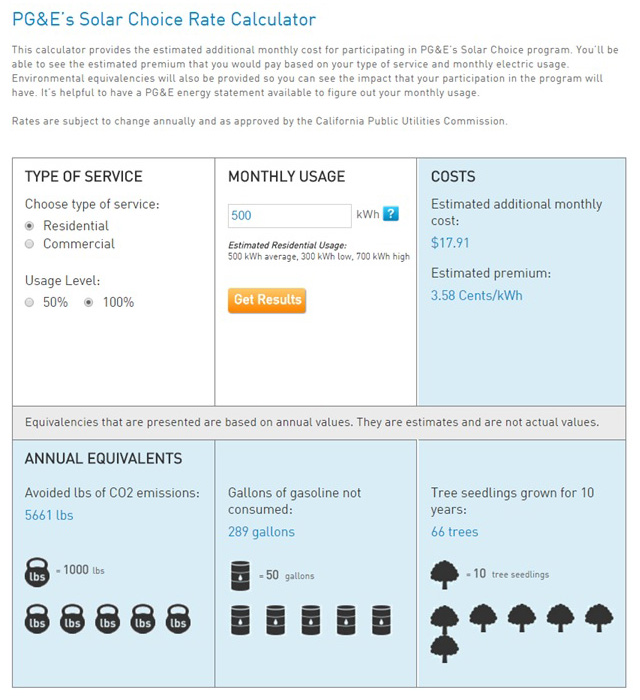
Published at Nikkei Technology Online ---  米国では電力自由化は国一斉ではなく、州レベルで実施される。カリフォルニア州は電力小売自由化を試みたものも頓挫し、同州の電力需要は主に3つの地域大手電力会社で独占されている。カリフォルニア州北部地域をサービス管轄とする大手電力会社の1つであるPacific Gas & Electric(PG&E)は、今年度の初めに、「Solar Choice(ソーラーチョイス)プログラム」と呼ばれる電気料金プランを開始した。同プランでは、購入する電気の100%が、地元の太陽光発電で発電した電力となる。
"Solar Choice Program" by PG&E
PG&Eは米国内で最大規模のエネルギー供給会社で、電力と天然ガスの両方を提供する。電力で540万軒、ガスで430万軒の契約数を持っている。サービスエリアは、カリフォルニア州の北部と中部地域となる。

 同社は太陽光発電の導入に積極的で、米国の多くの電力会社が加盟しているSEPA(Solar Electric Power Association:米国太陽発電電力協会)のデータによると、2014年の太陽光発電の年間導入量、累計導入量、年間系統連系接続数、累計系統連系接続数などで、米国でトップである(図1)。ちなみに、2014年までに同社の太陽光発電設備の累積導入量は4.6GWを超える。さらに、現時点で21万5000軒以上の分散型太陽光発電システムが同社のサービスエリア内に系統連係されている。Read More Here

March 11, 2016

Japan at the Electricity Crossroads: Nuclear Power to Lower Electricity Bills or Solar Power to Create Resiliency?

Published at Renewable Energy World --- March 11, 2016 marks the five-year anniversary of the 2011 Tohoku earthquake and tsunami, which caused catastrophic meltdowns at three reactors in the Fukushima Daiichi Nuclear Power Plant complex in Fukushima Prefecture. This devastating event resulted in a major change to the nation’s electricity supply market. It led to the introduction of the national feed-in tariff (FIT) program in July 2012 and historical liberalization of the retail electricity market, which will commence in April.

PV plus Storage Installed at a School, Credit: Minamisyna City

In regards to the upcoming deregulated electricity market, 210 companies have currently registered as retail electricity providers to compete against the 10 incumbent utilities, which had enjoyed the regional monopolies for several decades.

As fierce competition is anticipated, the incumbent utilities have restarted or plan to restart nuclear reactors to be cost-competitive. In fact, last year Kyushu Power Electric Company, located in the Kyushu region, restarted two nuclear reactors in Kagoshima Prefecture and, last month, Kansai Electric Power Corporation, the nation’s second largest electric provider, has restarted two reactors at Takahama Nuclear Plant in Fukui Prefecture to provide “lower rates” than those offered by new competitors.

Turning Nuclear Contaminated Town into Denuclearized Town with Renewable Energy

“I am very furious,” commented Katsunobu Sakurai, the mayor of Minamisoma City, at a press conference for the Foreign Correspondents’ Club of Japan. He is angry and frustrated that the utilities have restarted nuclear reactors since Minamisoma City, located less than 20 kilometers (12.4 miles) northwest of the Fukushima Daiichi Nuclear Power Plant, has not yet fully recovered. The city was heavily affected by the disasters which displaced 14,000 residents after the accident. It has been five years since the nuclear meltdown, however, residents of certain areas of the city have not been allowed to return since the national government has not yet lifted evacuation orders....Read More Here

February 23, 2016

誰にでも太陽光の恩恵を! 米加州が貧困層向けに300MWを設置支援

Published at Nikkei Business Online ---  ここ数年、太陽光発電システムの価格が大幅に低下したが、米国ではいまだに太陽光発電は「お金に余裕のある家庭用のもの」とされている。そんなイメージがカリフォルニア州で変わろうとしている。

 昨年10月、カリフォルニア州のJerry Brown知事は低所得世帯に太陽光発電(PV)導入を促進する米国最大規模の法律案(低所得者向け賃貸集合住宅用にソーラープログラム)に署名し、同法を成立させた。このプログラムの年間予算は1億米ドルで、10年間の実施が予定されている。

 カリフォルニア州太陽光発電産業協会(CALSEIA)でエグゼクティブディレクターを務めるBernadette Del Chiaro氏は、「この法律はカリフォルニア州にとっても重要な新しいプログラムです。なぜなら、賃貸を含めた全ての電力消費者が、汚染を出さない太陽光発電の恩恵を、住んでいる場所、または働いている場所で得られるようになります」と、語った。

Credit: Everyday Energy
このプログラムを通し、同州は、少なくとも300MWの太陽光発電システムを低所得者向け賃貸集合住宅に導入する目標を掲げている。「最低300MWです。我々はどちらかというと500MWを目指しています」と、米Everyday Energy社でCEO(最高経営責任者)を務めるScott Sarem氏は語った。同社は、カリフォルニア州サンディエゴ市に本社を置き、同州において、低所得者向け賃貸集合住宅用への太陽光発電システムの設置量でナンバーワンであり、さらにこの法律の提案書作りにも大きく貢献した。

 「このプログラムは『必要性』から生まれました」と、Sarem氏は続けた。カリフォルニア州の太陽光発電設置導入量は米国で最も多く、低所得者向けアパート用太陽光発電の補助金制度に関しても、実は前から取り入れていた。しかし、幅広く利用されず、成功を収めたとは言えなかった。.. Read More Here

February 2, 2016

California Bridges the Green Divide with Nation’s Biggest Solar Program for Low-income Renters

Published at Renewable Energy World --- Solar is not just for homeowners. The advent of community solar is now enabling those who don’t own a home to go solar and enjoy all of its benefits. But regardless of whether someone decides to own or rent, solar still seems to be for those who have a disposal income. That is, until now.

Last October, California Gov. Jerry Brown signed the nation’s largest solar bill for low-income renters. The Multifamily Affordable Housing Solar Roofs Program was created under AB693, which will dedicate about $100 million per year over a period of ten years.

“AB 693 is a very important new program for California because now, all consumers, including renters can enjoy the benefits of pollution free solar electricity generated right where we live and work,” Bernadette Del Chiaro, executive director of California Solar Energy Industries Association (CALSEIA), said.

The new program has the goal to install at least 300 MW of rooftop solar PV on multifamily affordable housing projects.

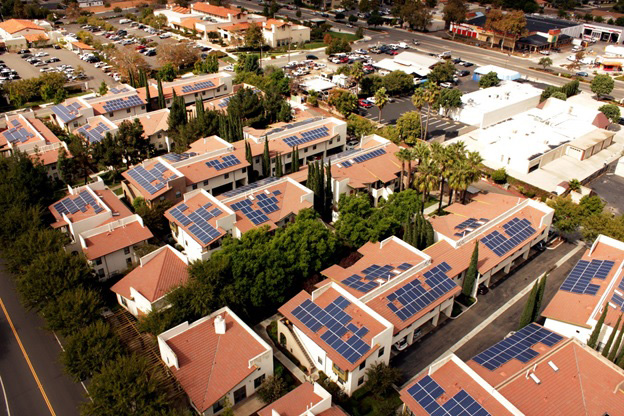
464 kW PV system on “Park Villas” Multifamily Affordable housing with 268 tenants. Credit: Everyday Energy
“[The] minimum [is] 300 MW,” Scott Sarem, CEO and Co-founder of Everyday Energy, said. “We are targeting more like 500 MW.”

Everyday Energy is a California-based solar project developer for multifamily affordable housing. The company has worked closely with CALSEIA, the California Environmental Justice Alliance (CALEJA) and Assemblymember Susan Eggman, who is the author of AB693.

“This program was born out of necessity,” Sarem said.

Although California is the largest solar state in the U.S. and has a track record of implementing solar on multifamily affordable housing, the existing program has failed to reach out to low-income renters and disadvantaged communities in California....Read More Here