January 12, 2016

米加州の「ネットメータリング」制度が改正へ 再エネの普及拡大と消費者の負担、バランスはどこに?

Published at Nikkei Technology Online --- 米国市場は2015年の年末ぎりぎりに連邦政府の「再生可能エネルギー導入投資税控除(ITC)」政策延長が可決され、さらなる太陽光発電市場の成長に明るい見通しが立った。しかし、米国の太陽光発電市場をリードするカリフォルニア州において、同州の太陽光発電市場の将来を左右する重要な州レベルの制度が未解決のまま年を超えた。

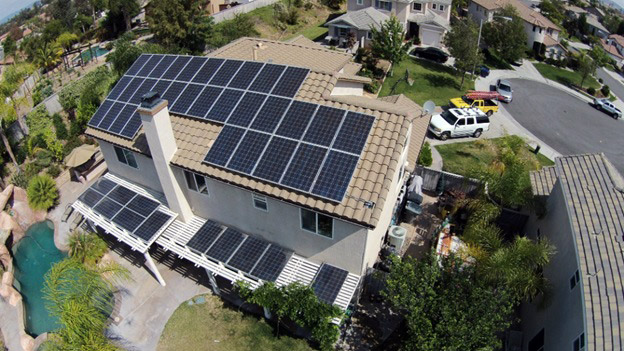
 それは同州で分散型太陽光発電分野の普及を支えてきた「ネットメータリング(net-metering)」と呼ばれる制度である。「ネットメータリング」とは、分散型発電設備の所有者に対する電力料金の算定手法だ。住宅用などの分散型太陽光発電システムの発電量から、電力消費量を差し引いて余剰電力量が発生した場合、余剰分を次の月に繰り越せる、つまり、消費量を発電量で「相殺」する仕組みである(図1)。

図1●ネットメータリング制度を利用する住宅用システム。出力7.6kW(出所:Sullivan Solar Power)
この制度では、ネットメータリングの総設置容量に関し、法律で上限を定めている。上限は、「キャップ(CAP)」とも呼ばれる。ネットメータリングを活用する分散型太陽光発電システムの総設置容量が、キャップに達すると、電力会社は同システムの設置を基本的に拒否できるようになる。カリフォルニア州ではこの上限に近づいており、2015年に電力会社と太陽光発電を推進する企業やサポーター(支持者)間で同制度をめぐる論争が一段と激しくなった。

 現在のネットメータリング制度は、発電量1kWhは電力購入の小売価格と同等で取り扱われていたが、カリフォルニア州の大手電力会社は「余剰電力買い上げ価格を下げる」、または「太陽光発電システムの所有者に特別の料金を課す」との方針を申請した。...Read More Here

December 25, 2015

「再エネ投資税控除」の延長法案が可決! 2大政党間で政治決着

Published at Nikkei Technology Online ---  クリスマスを一週間後に控えた12月18日。米国の太陽光発電産業は思わぬクリスマスプレゼントを手に入れた。それは「Investment Tax Credit(ITC)」と呼ばれる「再生可能エネルギー導入投資税控除」の延長法案が、米連邦議会の土壇場で可決されたのだ。

 「ITC」はこれまでも米国太陽光発電市場の重要なドライバー(けん引役)として、その市場拡大に大きく貢献してきた。実際、太陽光発電システムの急速な価格削減で、州政府などによる補助金制度がなくなっていくなか、ITCの市場への貢献度は大きく、米国太陽光発電産業のITCへの“依存度”も極めて高くなっていた。

 ITCは、2006年から始まった連邦レベルの制度で、太陽光発電システムを含む、再生可能エネルギーの設備投資に適用される。太陽光発電システムの購入者であるホームオーナー、発電所所有者、さらに、システムリースを提供するプロジェクトデベロッパーは、システム設置にかかった投資額の30%を税額控除できる。

 同制度は2008年にブッシュ政権下で延長・拡大されたが、2016年末に住宅用については終了し、非住宅用(商業、産業、そして発電事業用)は現在の30%から2017年1月1日から10%に下がることになっていた。

米太陽産業界は「2017年の市場縮小」を覚悟

 国内外の太陽光発電市場のプレーヤーが「ITC30%」の恩恵を得るためには、2016年までに建設を完了させなくてはならない。そのため、2016年は駆け込みによる建設ラッシュが予想されていた。業界アナリストは、「ITCラッシュ」により米国の太陽光市場は2016年に日本を抜き、中国に次いでグローバル市場で第2位に拡大すると予測していた。.. Read More Here

December 15, 2015

バックコンタクトの次は「屋根瓦のような製法」 米サンパワー社が2020年に向けた事業戦略を公表

Published at Nikkei Technology Online ---  11月に開催されたアナリスト向け決算・経営説明会で、米サンパワー(SunPower)社で最高経営責任者(CEO)を務めるTom Werner氏は「ソーラー産業は2020年までに2000億ドルの市場になる」と語り、今後の同社の事業戦略を発表した。

 同社は、世界最高の変換効率を誇ったバックコンタクト方式の太陽光パネルの製造・供給で知られる世界的メーカーだが、太陽光発電所のEPC(設計・調達・施工)サービス、さらにO&M(運営・保守)も手掛けている。

 加えて、過去1年の間に太陽光関連の新興ベンチャーなど3社を次々と買収し、新しい製造技術を手に入れるとともに、業務や住宅用での製品戦略を強化している。パネル製造と大規模システムから、戦略的に事業領域を拡大している。

「屋根瓦のよう」な製造技術で発電量を増やす

 サンパワー社は数カ月前に買収した米コジェンラ(Cogenra)社のテクノロジーを使い、新しいタイプのパネルをラインアップに加えた。コジェンラ社はスタートアップ企業で、太陽光と太陽熱のハイブリッドシステムに関する研究開発から始まり、「低集光型太陽光発電(LCPV:Low-concentrated photovoltaic)」「セルの新しい製造工程」、そして「1軸追尾架台システム」の開発にも手を広げた。

 「新しい製造工程」とは、セルを「積み重ね」によって接続するのもで、従来のようにセルとセルを平板状の銅線でできた接続線(バスバー電極)で繋がない。Werner氏はこの製法を「屋根の瓦のよう」と表現していた(図1)。...Read More Here

図1●従来の多結晶太陽電池セル接続方とPシリーズのセル積み重ね式の比較(出所:サンパワー社)

December 14, 2015

Popular Hot Springs in Japan Co-exist with Binary Geothermal Power Plants

Published at Renewable Energy World --- Japanese people love Onsen, or hot springs, to relax and feel rejuvenated in naturally heated, spring water, which is rich in minerals. Hot springs are located in mountains, next to rivers, near oceans, and basically everywhere due to the abundance of active volcanoes present in Japan. In fact, there are 27,405 identified hot spring wells and over 21,000 combined hot spring spas and inns, according to 2014 data published by the nation’s Ministry of Environment.

Over 126 million people visit Onsens annually, spending considerable amount of money at spas, hotels, restaurants, and shops at hot springs. Because of the significant economic activities related to tourism, local communities didn’t think that Onsen business and geothermal power plants could co-exist.

They were concerned that deployment of geothermal power plants would change the quality and compositions of spring water, which contains a lot of organic matter that is known to provide health and beauty benefits. Most importantly, the community feared that geothermal power plants would dry up their precious spring water wells.

Their concerns were eliminated when binary geothermal power plants were introduced.

Nation’s First Binary System Installed at an Evacuation Site

Yumura Onsen in Shinonsen town, Hyogo prefecture, installed two 20 kW (a total of 40 kW) binary geothermal power plants at Yakushiyu, a day spa, which also is a state designated evacuation site where people in the community can assemble in the case of emergencies or disasters.

“Onsen” Binary Geothermal Systems (2 x 20 kW), Credit: The Town of Shinonsen

Binary geothermal power plants, or “Onsen” Binary plants, use chemical fluids known as a second liquid (e.g., Isobutene and n-Pentane) that boils at a lower temperature than water. Hot spring water passes through a heat exchanger and heats up the second liquid in a closed loop. Heat from the geothermal water causes the secondary fluid to flash to vapor, which then drives the turbines, and subsequently the generators. The vapor is condensed back to liquid and begins the cycle again. Because this is a closed-loop system, virtually nothing is emitted to the atmosphere....Read More Here