Showing posts with label CPUC. Show all posts

April 26, 2021

米加州「2045年ゼロカーボン電力」、達成には太陽光100GW新設 運輸と建物の電化で電力需要は3倍を想定

Published at Nikkei Technology - Mega Solar Business


すでに再エネ比率は33%超

 米カリフォルニア州は、多くのプログラムを通じて、クリーンエネルギーの未来に向けて取り組んでいる。例えば、再生可能エネルギーやエネルギー効率・省エネのほか、化石燃料資源からの脱却に必要なエネルギー貯蔵技術の促進などで、すでに大きな成果を上げている。

 2020年時点で同州の電力供給全体に占める再エネの比率は既に33%を超えており、発電に伴うCO2排出量は1990年比で43%減少している。

 クリーンエネルギーへの転換をさらに加速するため、2018年9月カリフォルニア州で「2045年までに100%ゼロカーボン電力」を目指す上院法案「100(SB100)」が可決し、法律となった(図1)。
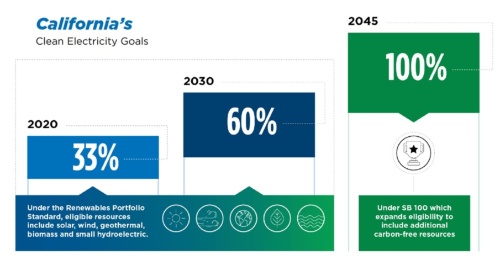
図1●カリフォルニア州が2045年までにクリーン電力100%を達成するプロセス
(出所:CEC)


具体的に、SB100には、以下のような目標設定などの内容が盛り込まれた。

 (1)2045年までに、温室効果ガスを排出しない太陽光や風力を含む再エネとゼロカーボンの資源で、カリフォルニア州で販売されるすべての電力を賄う

 (2)2030年までに、カリフォルニア州の電力の少なくとも60%を再エネで供給することを義務付ける州の再エネポートフォリオ基準(RPS)を更新

 (3)100%クリーンな電力を達成するため、カリフォルニア州エネルギー委員会(CEC)、カリフォルニア州公益事業委員会(CPUC)、およびカリフォルニア州大気資源局(CARB)は、(各機関の)既存の法律に基づくプログラムを使用して、2021年まで、およびその後4年ごとにSB100に関する共同方針レポートを発行する

 今年3月に、SB100に基づき、CEC 、CPUC とCARB の3つの機関は、SB100を実施する際の課題と機会を評価するための第一ステップとし、「2021 SB 100合同機関レポート」を発表した。

 同レポートでは、100%クリーン電力を達成するために必要な追加的資源と資源の設置導入量の初期評価、及び関連するコストが含まれており、様々なコンディションとテクノロジーのもとで、これらの要因が分析されている。

「電化」推進で経済全体を脱炭素化

 ところで、「2045年までに100%ゼロカーボン電力」と聞くと「現在」供給されている小売電力のゼロカーボン化と思えるかもしれないが、実は、脱炭素のターゲットはそれだけに留まらない。

 同州のジェリー・ブラウン前知事は2018年に、SB100成立に加え、2045年までにカリフォルニア州の経済全体をカーボンニュートラルにする方法を検討するよう州当局に指示する州知事命令に署名した。つまり、この命令は、カリフォルニア州の電力部門だけでなく、運輸や製造業など、その他の部門でのCO2排出量を削減する変革、つまり電化への移行が考慮されるのである。..Read More Here

October 13, 2017

Time-of-Use Rates Will Turn the Tables for Energy Storage

Published at Renewable Energy World --- It is not always good to be first. Last June, San Diego Gas & Electric (SDG&E) was the first utility in California to hit its net-metering cap and move to Net Energy Metering 2.0 (NEM 2.0). Now, SDG&E will again be the first utility to start the shift to time-of-use (TOU) period, effective on Dec. 1, 2017.
Under California Public Utilities Commission (CPUC) approval on August 24, SDG&E will shift its summer peak time to 4 p.m. to 9 p.m. from the current 11 a.m. to 6 p.m.
The new TOU periods are supposed to help align rates more closely with the cost of service as well as help mitigate the infamous Duck Curve. According to the CPUC, the implementation of TOU rates should provide customers with the incentives to shift some of their peak usage to off-peak times of day when it will be cheaper to do so. This should result in a more efficient grid and lower bills in the long run.
Will solar customers be able to lower bills too?
Moving from “Buy Low, Sell High” to “Buy High, Sell Low”
As part of the transition to NEM 2.0, solar customers are moved from a tiered-rate structure to a TOU rate structure. At that time, some regarded TOU rates as opportunities since customers get compensated higher credits during solar peak production....Read More here