November 18, 2015

ハワイ州で“夜間用メガソーラー”を建設へ 蓄電池併設で夜間のピークを賄い、石油火力の出力抑制

Published at Nikkei Technology ---  ハワイ州は太陽光発電産業において「未来からの絵葉書」と呼ばれる。その理由は太陽光発電の大規模導入により将来、本土で起こりうると予想されているイベントが、このハワイ州で全て既に起きているからだ。イベントとは、グリッドパリティー、分散型太陽光発電システムの接続保留、メガソーラー(大規模太陽光発電所)への蓄電池併設による出力抑制防止など──。ハワイ州では、全米の太陽光発電設置容量の50%以上を占める本土カリフォルニア州よりも一足先に、これらを経験済みで、本土の電力会社はハワイ州の行動から目が離せないのである。

 そんなハワイ州でまた「全米初」のイベントが起ろうとしている。

 太陽光発電は、日照条件で出力変動し、さらに必要な時に発電できないという欠点がある。しかし、蓄電池の併設により、メガソーラーの急峻な出力変動を平滑化したり、または昼間の余剰電力を貯めておき夜間に放電したりすることが可能になった。既に米国本土でも、蓄電池を併設する手法は採用されている。

 しかし、今回のハワイでのケースは、蓄電池の併設によって昼間の発電を「夜間用」に使用する。つまり、メガソーラーを「夜間用電源」として活用するものだ。

 ハワイ諸島の最北端に位置するカウアイ島をサービス管轄に持つ電力会社Kauai Island Utility Coop(KIUC)社は、メガソーラーと蓄電池を合わせた長期電力購入契約を米SolarCity社と交わしたことを今年9月に発表した。米SolarCity社は、米国の住宅用太陽光市場でシェアトップを握る企業だ。

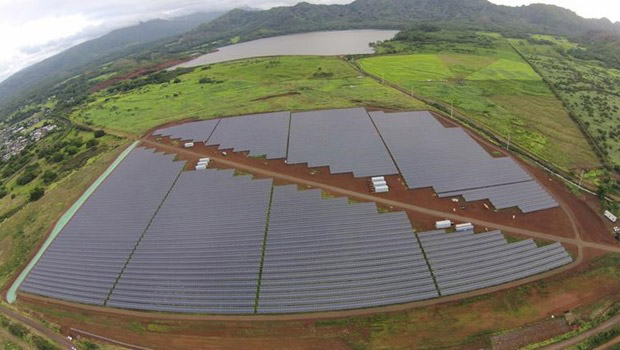
 今回の契約は、KIUK社とSolarCity社との2回目のパートナーシップを意味する。KIUC社は、2014年に運転開始した「Koloa」と呼ばれる、SolarCity社の出力14MW(連系出力12MW)のメガソーラーから電力を購入し始めたばかりである(図1)。

14 MW-DC "Kola Solar" installed by SolarCity for Kauai Island Utility Corp
17MWのメガソーラーに52MWhの蓄電池を併設

 蓄電池の供給先はまだ発表されていないが、米Tesla社の可能性か高いと予想されている。それは、テスラ社のCEO(最高経営責任者)、Elon Musk氏はSolarCity社のCEOを務めるRive氏の従兄弟にあたり、さらに、SolarCity社の会長を務める。つまり、両社は親密な関係がある。...Read More Here

November 16, 2015

メガソーラーの出力抑制を防ぐため、昼間の電気料金が夜間より安い! ハワイ州・カウアイ島の電力会社が、夜から昼への需要シフト促進

Published at Nikkei Technology ---  ハワイ諸島の最北端に位置するカウアイ島では今までの常識を覆すようなことが起っている。

 通常、需要ピーク時の需給バランスは、急な変化に対応できる輸入化石燃料による火力発電により調節される。ただ、石油火力は発電コストが相対的に高い。そこで、電力の供給コスト低減のため、夜間の電力割引などを通じて電力需要が最大になる昼間の需要を他の時間帯にシフトさせる「ピークシフト」が、推進されてきた。

 しかし、カウアイ島では、午前9時から午後3時までの電気単価が夜間より「安い」のである。その理由はなんと太陽光発電にある。

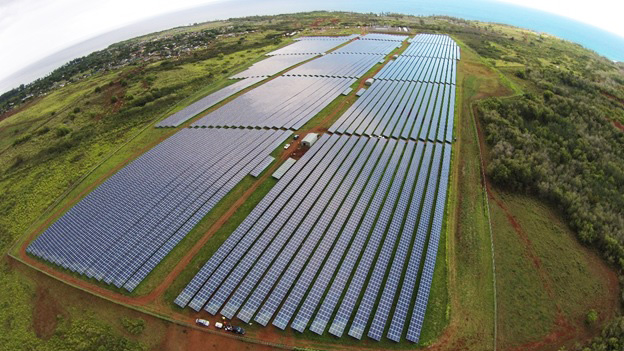
 カウアイ島をサービス管轄に持つ非営利協同組合運営の電力会社Kauai Island Utility Coop(KIUC)社は、ハワイ州で最大規模となる太陽光パネル出力14.5MW(連系出力12MW)のメガソーラーを今月初めに運転開始した(図1)

14.5 MW-DC the largest PV installed in Hawaii, Credit: REC Solar

米国で太陽光発電浸透率が一番高いハワイ州

 米国で、「太陽光発電の先端地域」と言ったら全米の50%以上のシェアを持つカリフォルニア州を思い浮かべる。だが、一人当たりの太陽光発電導入量で見ると、実はハワイ州がカリフォルニア州を大きく引き離しナンバーワンとなっている。これは、ハワイ州の12%の家庭が太陽光発電システムを設置しているのに匹敵する。..Read More Here

November 11, 2015

Japan’s Local Energy Providers Turn to Distributed Generation

Published at Renewable Energy World --- Let the games begin! By fully deregulating its electricity sector by next April, Japan plans to break up the 60-years of regional monopolies controlled by 10 vertically-integrated, investor-owned utilities (IOUs). Just at the end of October, 778 companies registered as power producers and suppliers (PPS) in order to sell electricity for commercial consumers who have a demand over 50 kW. In addition, 48 companies have registered and been approved as retail electricity providers to sell electricity to residential and small business customers.

The Great East Japan Earthquake and Tsunami Disaster of March 2011 marked a pivotal turning point in the conception of the nation’s electricity infrastructure. Specifically, safety and reliable supply. Due to the temporary shut-down of the country’s nuclear power reactors, some areas of Japan experienced rolling blackouts as well as large electricity rate hikes due to the resulting supply constraint.

The deregulation in process is expected to stimulate competition as well as lower the cost of electricity. According to a national survey taken by Mizuho Information & Research Institute, Inc., 83 percent of respondents said that they would switch providers if prices decrease.

Regarding energy mixes, 36 percent of respondents said that they would switch to renewable electricity providers as long as prices remain similar to what they are now, while and 5 percent said that they would use renewable energy only if prices decreased. Separately, 32 percent of respondents said that they do not want to use electricity generated by nuclear power plants.

Solar PV Installed on a Distribution Warehouse, Credit: Seikatsu Club Energy


Return of Nuclear Power for Deregulation?

Although the nation is still working to clean up after the 2011 Fukushima No. 1 nuclear power incident, the Federal of Electric Power Companies of Japan (FEPC) claims that nuclear power is important for the nation’s energy independency and energy affordability. In fact, the incumbent utilities have gradually restarted some of the nuclear power plants, which were taken offline after the Fukushima disaster....Read More Here

November 4, 2015

再エネ電力を電力会社より安く販売できる「CCA制度」(後半) 地産地消を促すFITも取り入れる

Published at Nikkei Technology Online ---  米国では、地方自治体などが住民、ビジネス、さらに公共施設用の電力需要をまとめて購入できるコミュニティ・チョイス・アグリゲーション(Community Choice Aggregation:CCA)と呼ばれる法律がある。この法律により、地方自治体は自ら発電事業者から電力を調達し、地域独占電力会社の送配電網を使い、よりエコで手ごろな電気料金「チョイス」を直接、コミュニティーに提供できるようになった。

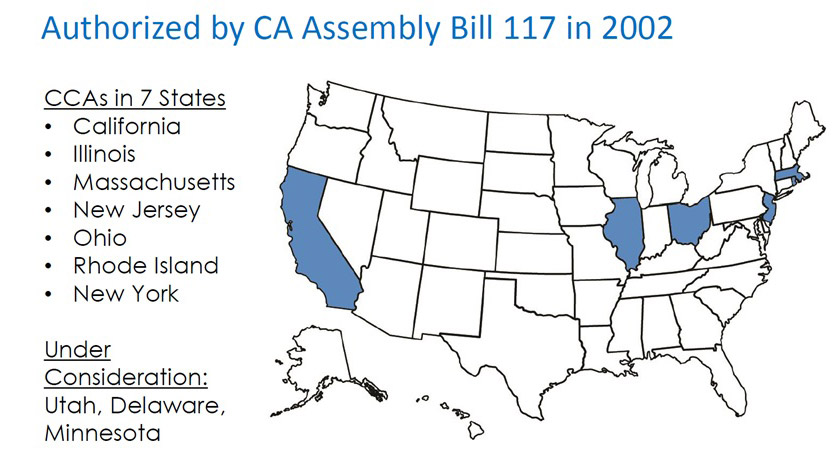
 2002年のカリフォルニア州での導入を皮切りに、現在全米7州でCCAが実地されている(図1)。1300の地方自治体が、米国電力消費者の約5%に当たる顧客にCCAプログラムを通じて電力を供給している。

Credit: Lean Energy U.S.

 カリフォルニア州では現在、3つの自治体がCCAプログラムを運営している。同州北部に位置するマリーン郡は、最初にCCA制度を導入した地方自治体である。CCAプログラムはマリーンクリーンエネルギー(Marin Clean Energy:MCE)というNPO法人が運営しており、現在約17万5000軒の顧客をかかえる。地域の電力需要者は従来の大手電力会社から乗り換えることにより、今年は1060万ドル(約12.6億円)の電気料金削減と、6万t以上の温室効果ガス削減が見込まれている。.. Read More Here